
Coating production
According to the battery model ,cut the copper and aluminum sheets into wording pieces.The stirred ingredients are coated through a roller and then slitted into pieces.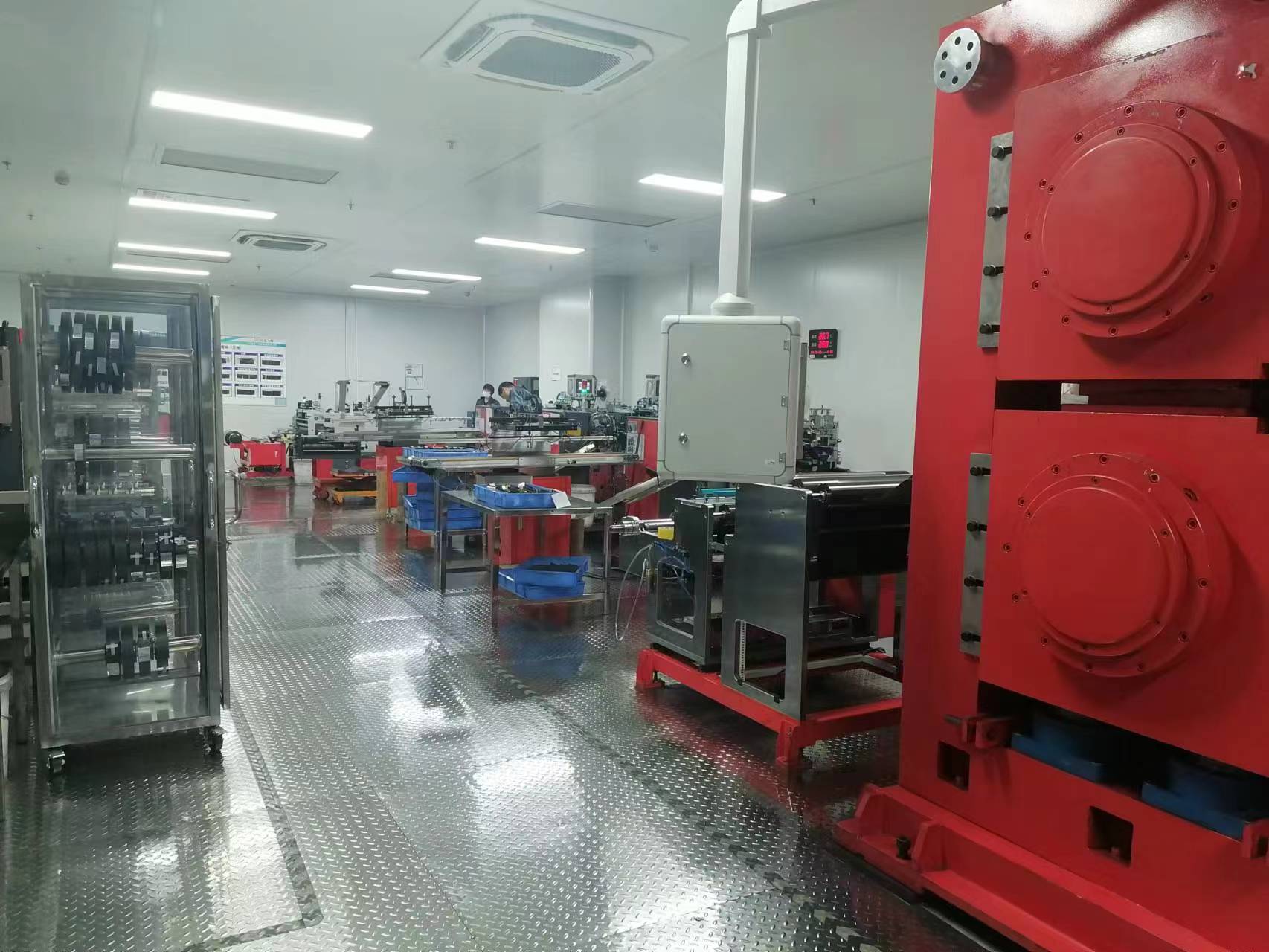
Roast and liquid injection
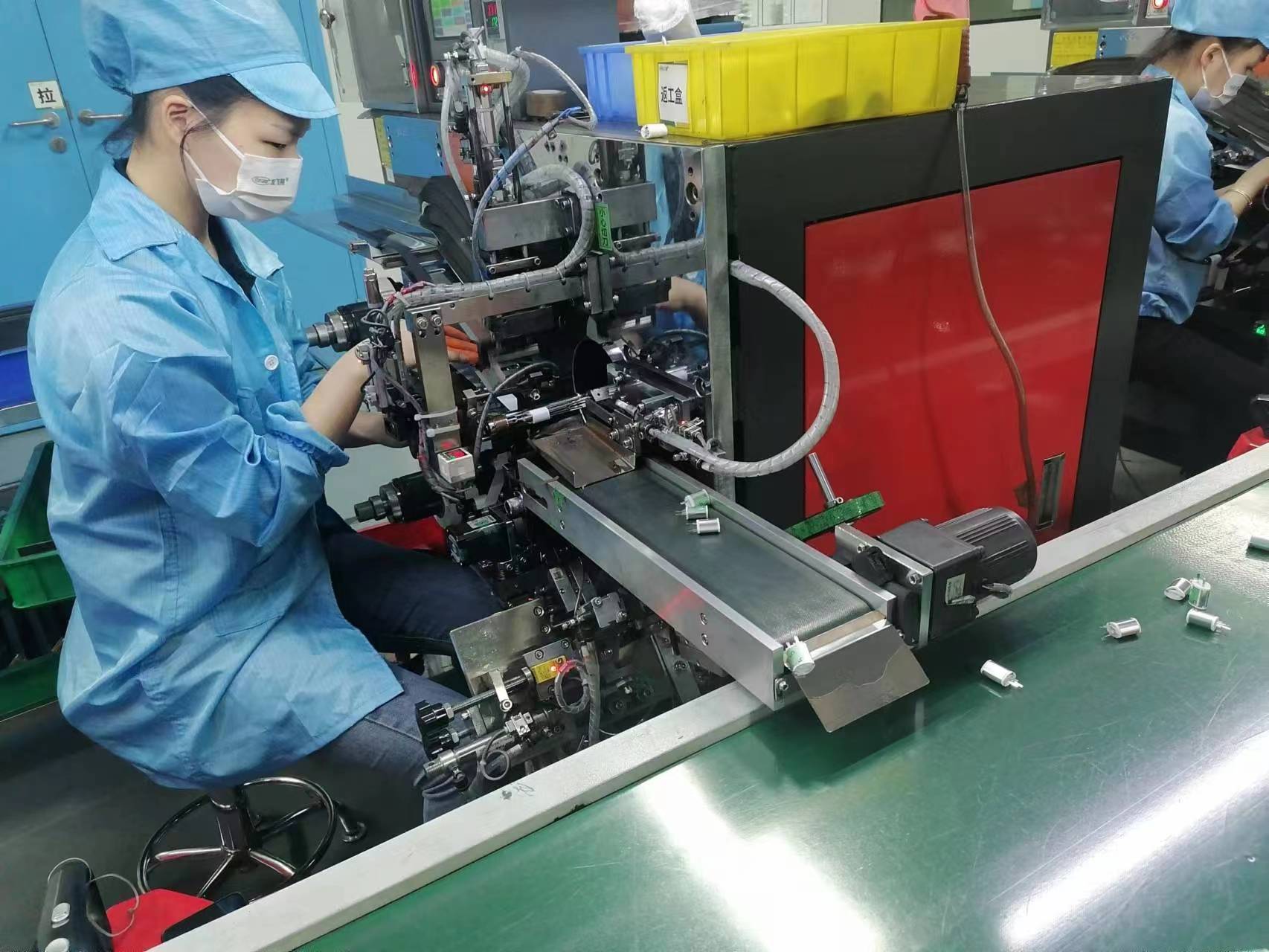
Before the injection, it is necessary to bake the water dry, inject the electrolyte solution, and let it stand for about 24 hours after injection to allow the electrolyte to flow sufficiently.
Formation and two seals
The formation process charges the battery cell and activates the cell, and the charging amount is about 60%-70%; After the formation is completed, the second seal is carried out, and the battery is molded and the air is discharged.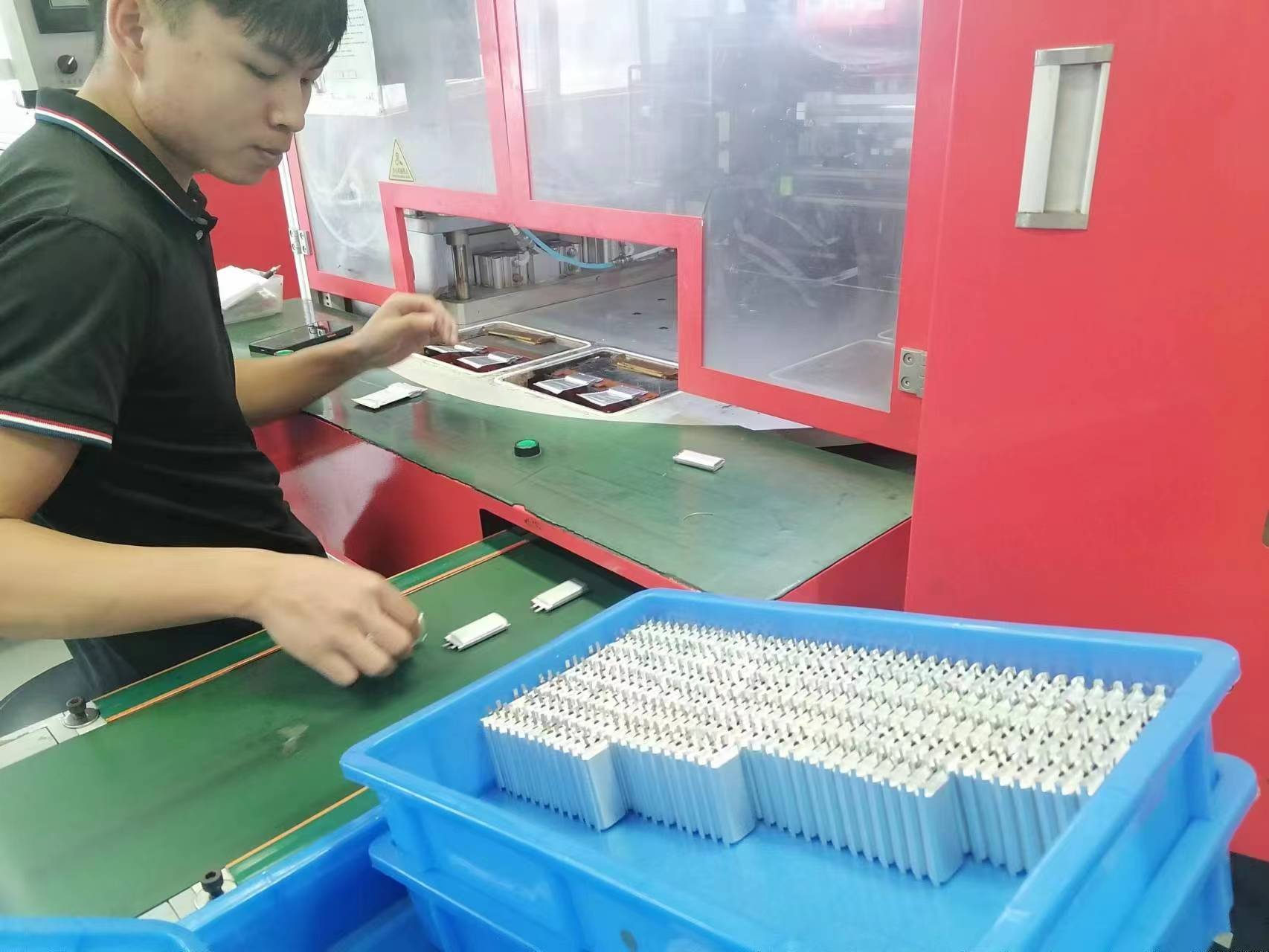
Volumetric, aging, full inspection
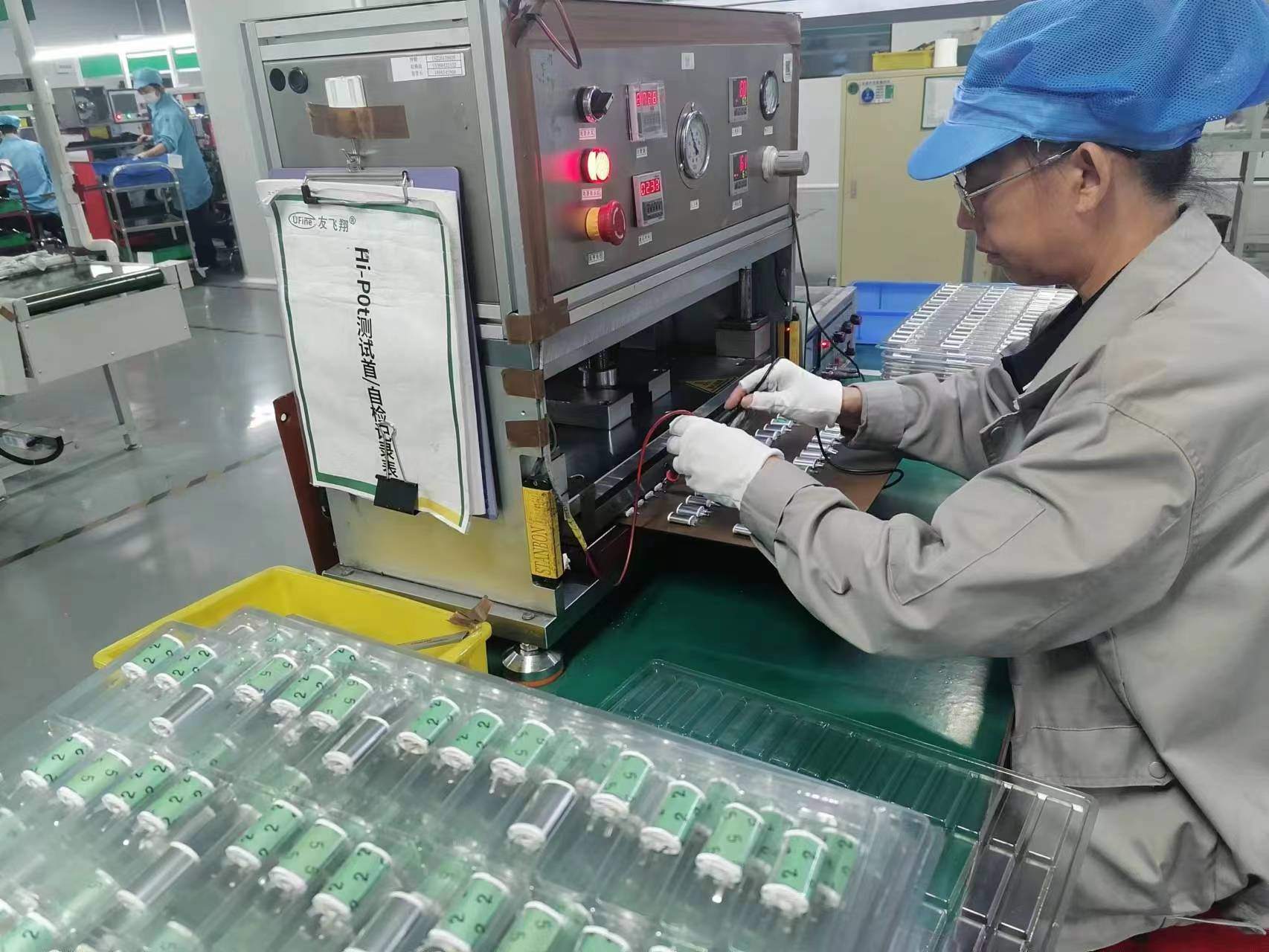
Discharge the battery cells after full charge, and test the actual capacity of the battery; After three days of aging, put the battery in a high temperature environment to test whether the capacitance has changed. Finally, the full inspection detects whether the battery has a short circuit, whether the appearance of the battery is damaged, and measures the K value, and the K value is the power loss.
Packing
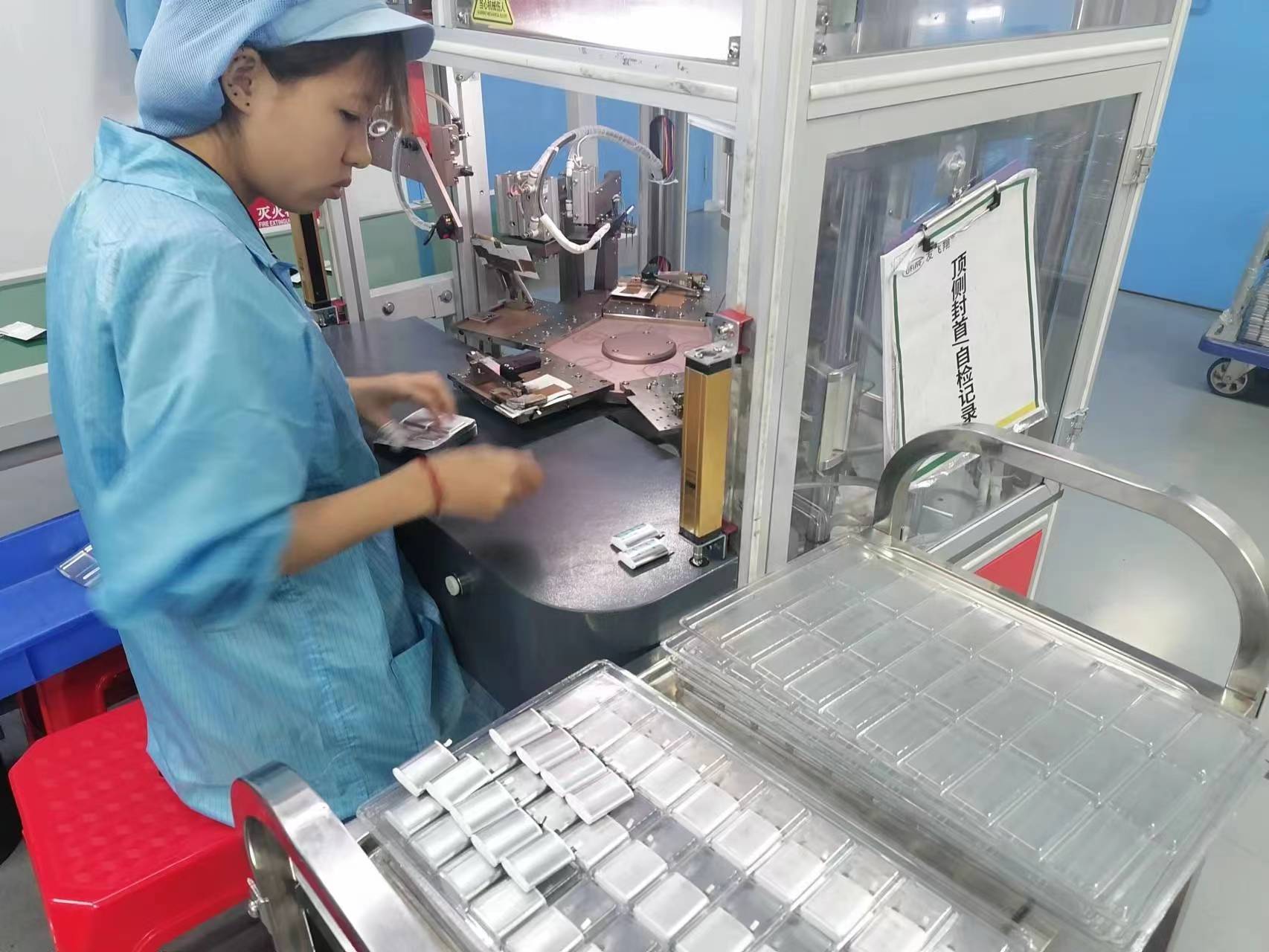
Weld the wire on the protection plate, cut off a little tabs of the battery, weld the protection plate on the battery, detect the battery value, cover the glue, wrap the adhesive tape on the positive electrode, prevent the contact of the positive and negative electrodes caused by short circuit, spray code.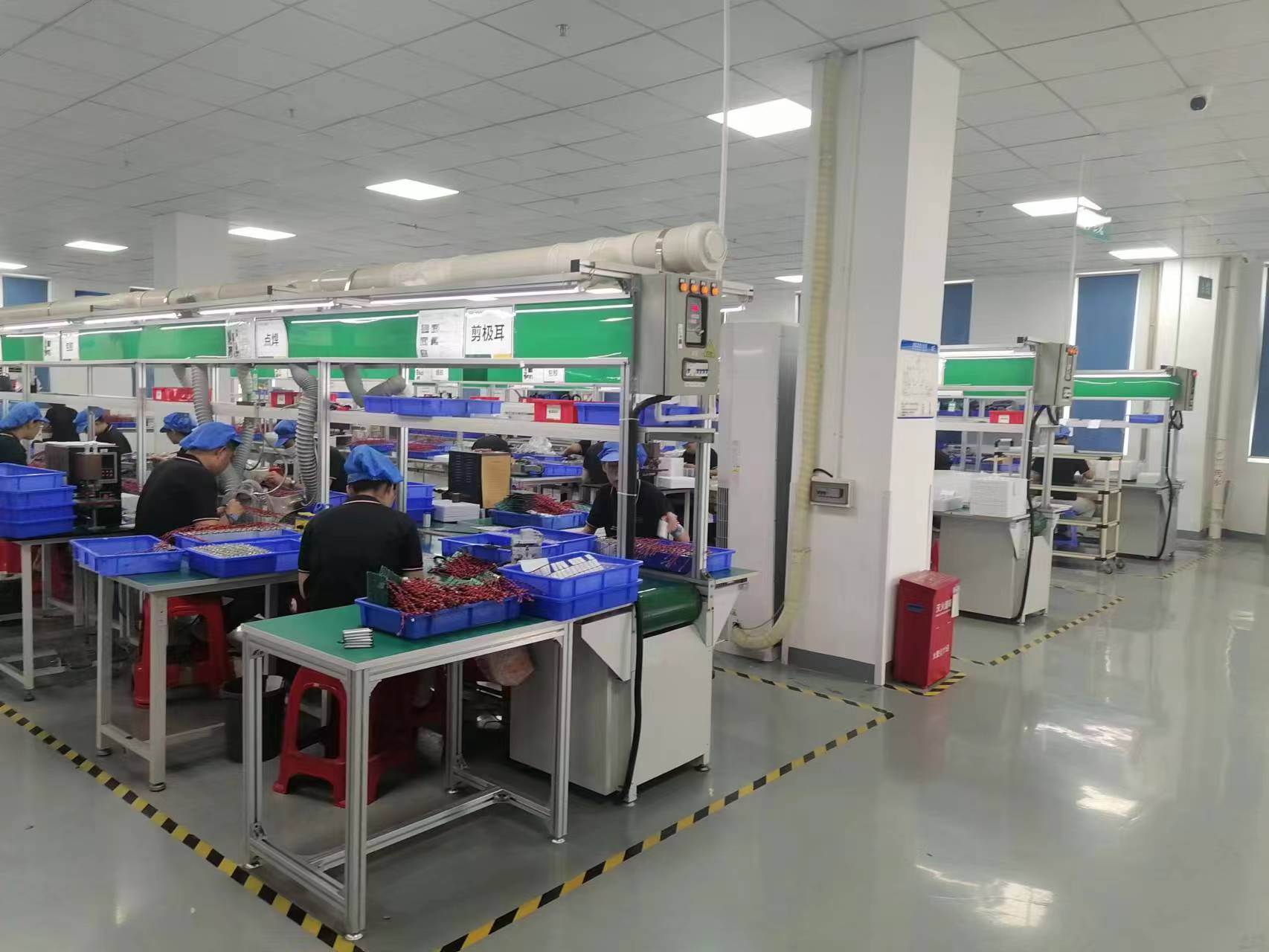
Characteristics and uses of cathode materials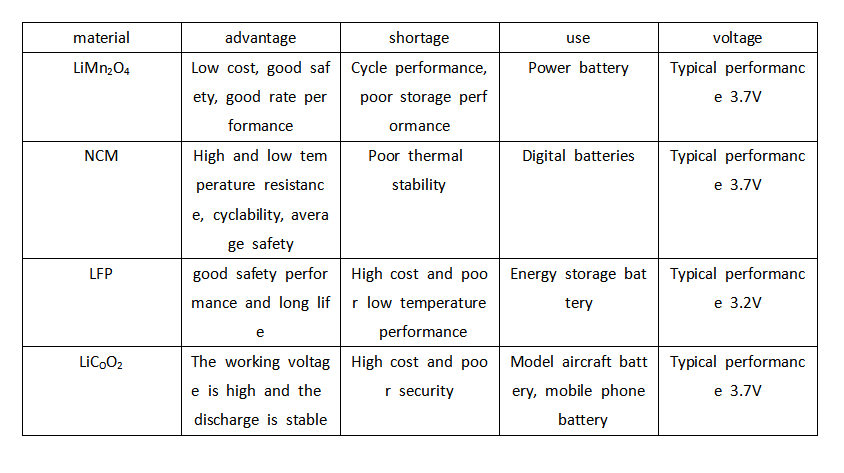
Visit the workshop of UFINE company, you will understand the production process and process of lithium batteries, and a variety of safety tests will be carried out before leaving the factory. UFINE's main lithium batteries are mostly used in 3C products, mainly exported to Europe and South Korea. The products have CB certification, CE certification, UN38.3 certification. If you want to know more about UFINE New Energy,please visit our website at https://www.ufinebattery.com/.